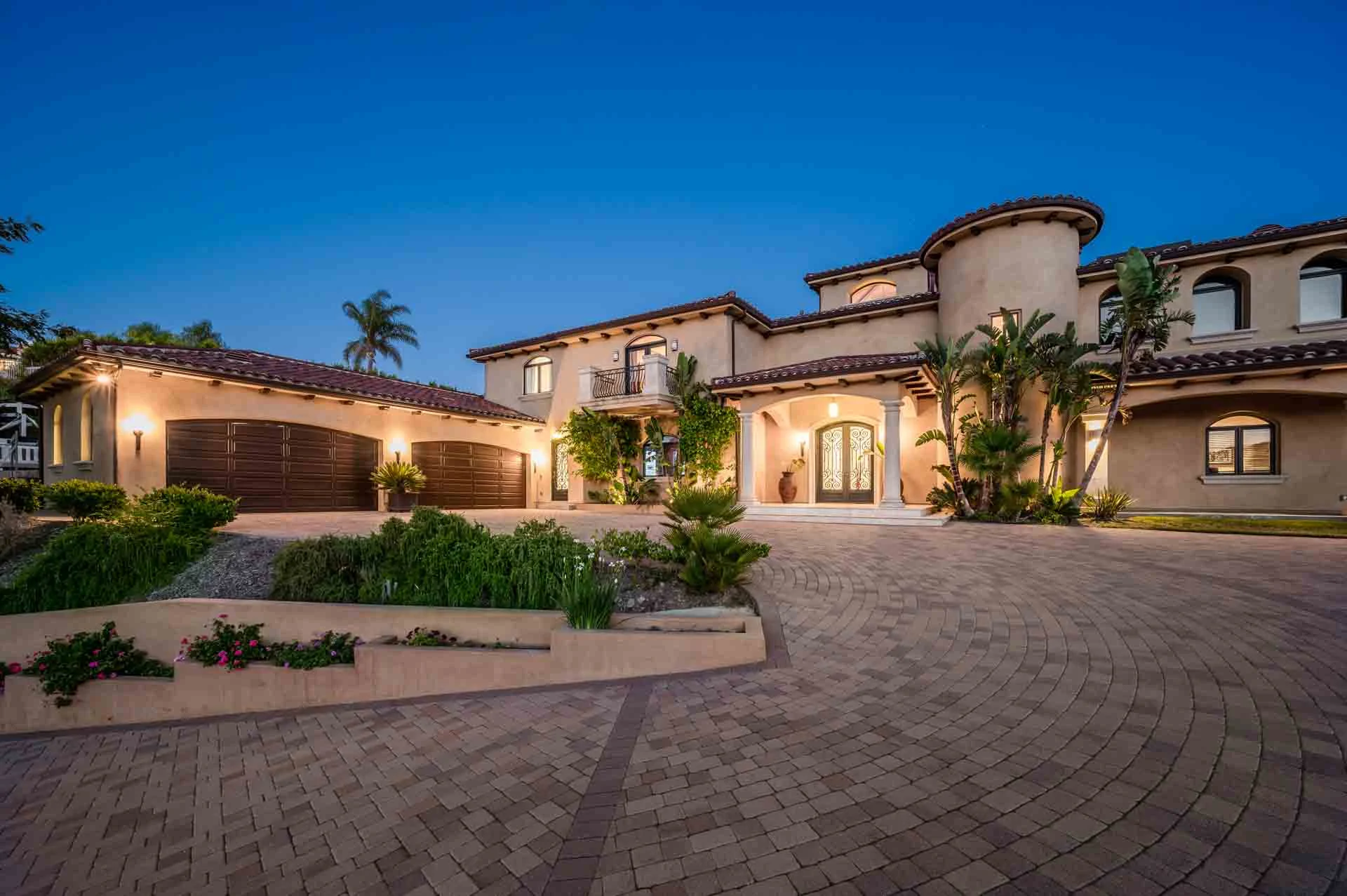
Luxury Living: Weighing the Pros and Cons of Custom Home Building vs. Buying Existing Properties
Introduction
Luxury living is as much about lifestyle and experience as it is about square footage and finishes. For discerning homeowners, the decision to build custom or to buy an existing luxury property is pivotal. Both paths offer distinct advantages and trade-offs involving cost, time, personalization, and long-term value. This article explores definitions, benefits, drawbacks, and strategic factors to guide a confident decision. Throughout, SAAD REMODELING & CUSTOM HOME BUILDERS will serve as a practical reference for how an experienced firm can support either route, with specialized capabilities in custom luxury homes, remodeling, and custom kitchen design. With over 45 years of experience, SAAD REMODELING & CUSTOM HOME BUILDERS has built strong relationships by first establishing and earning clients’ trust.
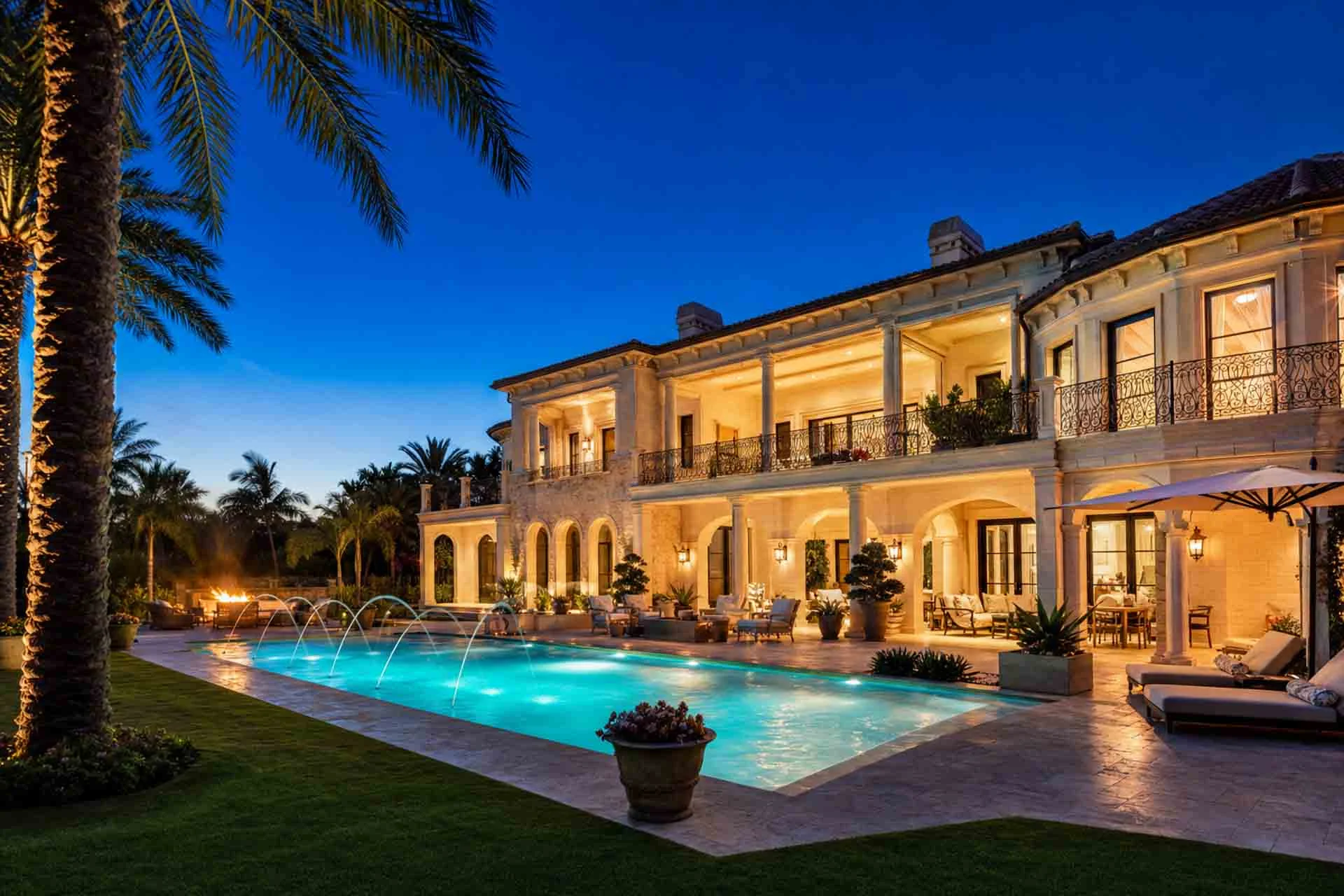
Definition of Luxury Living
Luxury living extends beyond ornate design or technological bells and whistles. It is an integrated experience defined by:
Quality craftsmanship and premium materials.
Thoughtful spatial planning and flow that supports daily living and entertaining.
Bespoke features tailored to lifestyle requirements, such as chef-grade kitchens, spa bathrooms, home theaters, and wellness spaces.
Exceptional location, privacy, and views when applicable.
Sustainability and cutting-edge home systems for comfort, efficiency, and future-proofing.
Attention to detail and long-term durability that maintain the home’s value and functionality.
For many, luxury also means freedom to customize every element to reflect personal taste and priorities, whether that is timeless elegance, contemporary minimalism, or a fusion of styles.
Understanding Custom Home Building
Custom home building is the process of designing and constructing a home from the ground up to meet an owner’s precise specifications. This typically involves an architect or designer, a builder, and multiple specialty trades. Key characteristics include:
Full personalization of layout, orientation, finishes, and systems.
Opportunity to incorporate site-specific design, maximizing natural light, views, and topography.
Ability to integrate advanced building technologies, energy-efficiency systems, and smart-home infrastructure.
A phased timeline that includes design development, permitting, construction, and final finishes.
A higher involvement level from the owner, who must make a series of design and material decisions.
SAAD REMODELING & CUSTOM HOME BUILDERS leverages decades of experience to streamline the custom-build process, offering expertise in custom luxury home construction, integrated remodeling solutions, and custom kitchen design to ensure the finished home aligns with the owner’s lifestyle and long-term goals.
Pros of Custom Home Building
Total Personalization: You design spaces that precisely match needs and lifestyle, from kitchen workflow to closet systems, fitness spaces, and home office layouts.
Optimal Use of Site: Orientation, grading, and landscaping are customized to maximize views, privacy, solar gain, and outdoor living.
Modern Systems and Efficiency: New construction allows installation of the latest HVAC, insulation, solar, and smart systems that reduce operating costs and improve comfort.
Quality Control: You select materials and trades, permitting more control over construction standards and long-term durability.
Future-Proofing: Custom builds can include flexible designs that accommodate aging-in-place, evolving tech, and potential expansions.
Brand-New Warranty and Lower Immediate Maintenance: New systems and assemblies mean fewer short-term repairs and clearer warranties on work and materials.
Distinctive Identity: A custom home is unique and often better represents personal taste, potentially standing out in the luxury market if resale becomes relevant.
Understanding Existing Properties
Buying an existing luxury property means purchasing a home that is already built. These properties range from recently constructed homes with modern amenities to historic estates with character and provenance. Existing homes may have been previously owned for varying lengths of time and can require anything from cosmetic updates to full-scale renovations.
Key characteristics include:
Immediate occupancy if the property is vacant or negotiable.
Established neighborhood context and maturity of landscaping and civic infrastructure.
Market-based pricing that may reflect location, historical significance, and current condition.
Potential for hidden issues that require inspection and remediation.
Opportunities for remodeling or selective upgrades, such as custom kitchen redesigns, to tailor parts of the home.
Pros of Buying Existing Properties
Speed of Move-In: Purchasing an existing home often allows for a much quicker transition compared with building from scratch. This suits buyers with time constraints.
Predictable Immediate Cost: The purchase price is known up front, reducing the variability inherent in construction change orders and scope creep.
Established Neighborhood and Amenities: Mature neighborhoods may offer immediate access to schools, parks, and services without waiting for new development.
Potential Cost Savings: In some markets, acquiring an existing home can be less expensive than the combined costs of land purchase and custom construction, especially if the buyer prioritizes location over custom features.
Opportunity to Remodel Strategically: Buyers can focus investments on key areas such as custom kitchen design or master-suite upgrades to achieve high-impact transformation.
Negotiation Leverage: Market conditions sometimes allow buyers to negotiate price, contingencies, and seller concessions.
Cons of Buying Existing Properties
Compromises on Layout and Systems: Existing homes may not align with personal layout preferences or include modern systems. Structural constraints can limit the extent of desired changes without major expense.
Hidden Maintenance and Deferred Repairs: Older homes can hide issues like outdated electrical/plumbing systems, foundation problems, or environmental concerns that arise post-purchase.
Less Energy Efficiency: Older construction typically lacks modern insulation, window performance, and efficient HVAC systems, increasing operational costs until upgrades are made.
Limitations for Personalization: While renovations are possible, achieving full personalization comparable to a custom build often requires extensive and expensive alterations.
Potential for Costly Surprises: Renovation discoveries—rot, mold, structural modifications—can inflate budgets and extend timelines.
Resale Considerations: Highly customized improvements that reflect specific tastes may not appeal to future buyers, affecting resale value if changes are ultra-personal.
Factors to Consider in Your Decision
Budget and Financing
Total budget must account for land acquisition, construction costs, design fees, permits, contingencies, and landscaping for a custom build.
For existing homes, include purchase price, closing costs, inspection contingencies, and an allowance for renovations or systems upgrades.
Lenders may have different financing products for new construction versus existing homes; construction loans often require staged draws and inspections.
Timeline and Life Circumstances
Building custom typically requires more time—from several months for simple projects to 12–24 months for complex luxury projects.
Buying existing may be faster, often weeks to a few months from offer to closing, provided financing and inspections proceed smoothly.
Consider family, work, and lifestyle needs; temporary housing costs should be included if a custom build requires interim accommodation.
Location and Land Availability
If prime lots are scarce in a desired neighborhood, buying an existing property may be the only feasible route.
For buyers who own land or can secure an ideal parcel, custom building becomes more appealing to maximize site-specific design.
Desired Level of Customization
If bespoke design and rare materials are top priorities, building custom offers unmatched flexibility.
If only selective personalization is required, purchasing and remodeling specific areas (for instance, advanced custom kitchen design by SAAD REMODELING & CUSTOM HOME BUILDERS) may be more efficient.
Resale and Investment Horizon
Consider the long-term resale market and whether custom features enhance or limit appeal.
High-quality custom work often retains value, but ultra-specific designs may reduce the buyer pool.
Risk Tolerance and Involvement
Custom builds demand active decision-making and regular collaboration with the builder and designers. If the owner prefers turnkey solutions, an existing home may be less demanding.
Evaluate tolerance for construction risk, including cost overruns and schedule changes.
Regulatory and Permitting Environment
Building new triggers permitting, zoning compliance, and potential environmental reviews that can add time and cost.
Renovations also require permits, especially for structural, electrical, or plumbing work; ensure compliance to avoid future liabilities.
Sustainability and Technology Preferences
New construction allows easier incorporation of net-zero strategies, advanced HVAC, and smart-home systems.
Upgrading an existing home to similar performance levels is possible but may be more complex and costly.
Emotional and Lifestyle Priorities
The intangible value of creating a home tailored to personal legacy, family traditions, or specific entertaining needs may outweigh financial considerations for many luxury buyers.
Case Studies
Case Study 1: Custom Luxury Residence — The Pinnacle Portfolio Home
Project Overview
Client brief: A family sought a contemporary 6,500-square-foot home sited to capture panoramic views, with a chef’s kitchen, indoor-outdoor living, and dedicated wellness amenities.
Site: Hillside lot with sloping topography and southern exposure.
Role: SAAD REMODELING & CUSTOM HOME BUILDERS led design-build coordination, structural engineering, custom kitchen design, and high-end finishes.
Key Actions and Solutions
Design collaboration: SAAD worked with architects to optimize orientation for daylighting and privacy, creating terraces that step with the slope.
Custom kitchen: A purpose-built layout with dual islands, custom millwork, integrated refrigeration systems, and a professional-grade cookline addressed the client’s culinary aspirations.
Systems and sustainability: High-efficiency HVAC, LED-integrated lighting, and pre-wiring for home automation were included to balance performance and comfort.
Project management: With proactive scheduling and transparent budgeting, the team minimized variations and kept the project within an agreed contingency range.
Outcomes
Timeline: Groundbreaking to move-in in 18 months.
Budget: Delivered within 5 percent of the initial target budget after agreed selections and minor owner-directed upgrades.
Client satisfaction: High praise for craftsmanship, attention to detail, and the custom kitchen’s functionality, culminating in a home aligned tightly with family needs.
Lessons
Precise alignment of client priorities and early decision milestones reduced change orders.
Investing in site-specific design maximized views and usable outdoor spaces, enhancing long-term value.
Case Study 2: Buying and Remodeling an Existing Estate — The Restoration and Kitchen Transformation
Project Overview
Client brief: A buyer purchased a historic 4,200-square-foot estate in an established neighborhood, with the intent to modernize living spaces while preserving architectural character.
Role: SAAD REMODELING & CUSTOM HOME BUILDERS executed a phased remodel, emphasizing a complete custom kitchen redesign, main floor reconfiguration, and mechanical system upgrades.
Key Actions and Solutions
Due diligence: A comprehensive pre-purchase inspection highlighted required structural repairs and outdated mechanical systems. The client adjusted offer contingencies accordingly.
Remodeled kitchen: SAAD’s custom kitchen design integrated modern workflow, concealed storage, and period-appropriate finishes to respect the home’s character.
Systems upgrade: Electrical, plumbing, and HVAC were replaced to meet code and modern performance standards while minimizing disruption to historic elements.
Phased approach: Work was staged to allow the family to live on-site during portions of construction.
Outcomes
Timeline: Occupancy maintained with phased work over 10 months.
Budget: The total renovation cost represented a substantial but strategic investment, significantly elevating the home’s comfort and marketability.
Client satisfaction: The client valued the blend of preservation and modern function, particularly the custom kitchen, which became a focal selling point for future buyers.
Lessons
Buying existing properties requires rigorous inspections and realistic budgeting for hidden conditions.
Strategic remodeling can realize many luxury objectives at lower cost than building new, especially when the location is a priority.
Case Study 3: Time-Constrained Move — Choosing an Occupied Luxury Purchase
Project Overview
Client brief: A professional relocating within 60 days needed a luxury home near work and schools, prioritizing immediate occupancy and minimal renovation.
Role: SAAD advised on quick-turn improvements and delivered a targeted kitchen refresh and bathroom updates after closing.
Key Actions and Solutions
Property selection: The client purchased a recently built but slightly dated-luxury home.
Quick upgrades: SAAD completed a custom kitchen refacing and new appliances, plus cosmetic updates in the master bath, within six weeks.
Value alignment: Minimal disruption and a rapid timeline met the client’s immediate needs without incurring the time and complexity of full construction.
Outcomes
Timeline: Move-in within 45 days; upgrades completed within eight weeks.
Budget: The client paid a premium to secure the right location but recaptured value quickly through appreciation and improved livability.
Client satisfaction: High, due to simplicity and speed.
Lessons
Buying an existing property and investing selectively in remodeling can be the optimal path when time is the primary constraint.
Practical Decision Framework
To translate the considerations above into a practical decision, use the following steps:
Clarify priorities
Rank priorities: location, customization, timeline, budget, sustainability, and resale.
Assess site options
If land is available in the desired area, evaluate lot cost plus build budget against market prices for existing homes.
Conduct realistic budgeting
Obtain preliminary estimates for both paths, including generous contingencies for remodeling discoveries or build variations.
Evaluate financing needs
Consult with lenders to understand construction loan terms, homeowner loan impacts, and cashflow requirements.
Consider hybrid approaches
Purchase an existing home with plans for phased remodeling or salvage the existing structure’s envelope and rebuild key elements to reduce time and meet personalization goals.
Engage experienced partners early
Early collaboration with builders and designers, such as SAAD REMODELING & CUSTOM HOME BUILDERS, can reveal cost-effective solutions, provide accurate timelines, and identify obstacles before they become costly.
Why Choose SAAD REMODELING & CUSTOM HOME BUILDERS
Deep Experience: Over 45 years of industry experience provides a foundation of knowledge for both custom builds and remodeling projects.
Integrated Services: Expertise in custom luxury homes, home remodeling, and custom kitchen design allows clients to pursue either a full custom build or targeted upgrades with consistent quality and accountability.
Client Trust and Relationships: SAAD emphasizes clear communication, transparent budgeting, and earned trust—critical qualities in complex luxury projects.
Practical Design-Build Approach: The firm’s project management processes reduce surprises, coordinate trades efficiently, and aim to meet agreed timelines and budgets.
Attention to Detail: From high-end finish selection to systems integration, SAAD focuses on craftsmanship that aligns with luxury expectations.
Conclusion
There is no universal answer to whether one should build a custom luxury home or buy an existing property. The optimal path depends on a blend of priorities—location, timeline, budget, degree of customization, and risk tolerance. Custom building provides unrivaled personalization, site optimization, and modern systems, while buying an existing home offers speed, an established neighborhood, and sometimes cost advantages. Hybrid approaches, such as buying and remodeling, often yield the best balance for clients seeking both location and tailored living spaces.
SAAD REMODELING & CUSTOM HOME BUILDERS helps owners evaluate these trade-offs and execute their vision—whether delivering a fully customized luxury residence, revitalizing a historic estate, or transforming key areas like the kitchen to better reflect lifestyle needs. With a legacy of over 45 years, SAAD combines technical skill and client-centered service to guide homeowners from decision to completion.
Next Steps
If you are weighing custom construction against purchasing an existing luxury home, consider scheduling an initial consultation. SAAD REMODELING & CUSTOM HOME BUILDERS can provide a site evaluation, high-level cost comparisons, and a tailored roadmap for your project goals—helping you choose the path that best delivers your definition of luxury living.